
Danum Valley Conservation Area – A True Borneo Rainforest Adventure
Deep in the heart of Sabah, Malaysian Borneo, lies Danum Valley Conservation Area, one of the oldest and most biologically rich rainforests on Earth. For travellers seeking authentic jungle adventure, rare wildlife, and untouched nature, Danum Valley offers an experience unlike anywhere else in Southeast Asia.
Unlike crowded safari-style destinations, Danum Valley rewards patience, curiosity, and slow exploration. Many of the most memorable wildlife encounters happen on foot, especially around the Danum Valley Field Centre (DVFC) — where jungle trails, research stations, and pristine forest meet.
This guide explores how to get to Danum Valley, what wildlife you can expect, and why walking around the research centre is one of the best ways to see animals in the wild.
What Makes Danum Valley So Special?
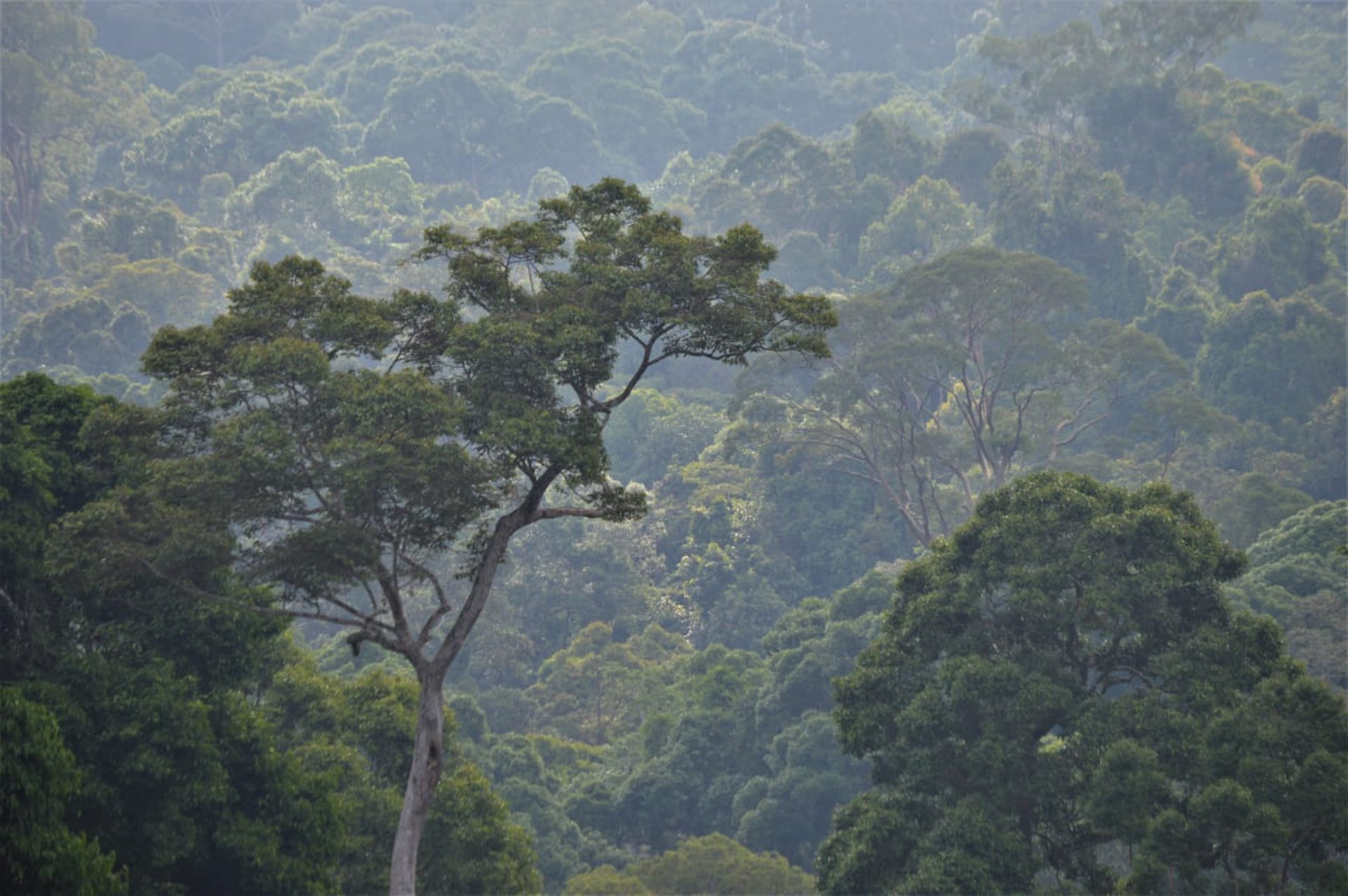
Danum Valley spans over 438 square kilometres of protected lowland dipterocarp rainforest, estimated to be more than 130 million years old. It has never been logged, making it one of the last remaining primary rainforests in Borneo.
A Living Outdoor Laboratory
Danum Valley is not only a tourism destination — it is also one of Southeast Asia’s most important tropical rainforest research centres. Scientists from around the world study:
Wildlife behaviour
Climate change impact
Rainforest regeneration
Rare and endangered species
This unique balance between conservation, science, and eco-tourism keeps Danum Valley wild, quiet, and authentic.
How to Get to Danum Valley
Reaching Danum Valley requires some effort, but that journey is part of the adventure.
Getting There by Airplane
Fly to Kota Kinabalu International Airport (BKI)
Most international travelers arrive via Kuala Lumpur, Singapore, or Hong Kong.
Domestic flight to Lahad Datu Airport (LDU)
Daily flights from Kota Kinabalu take about 50–60 minutes.
Overland transfer to Danum Valley
From Lahad Datu, it’s a 2–2.5 hour drive (mostly on gravel road) to the Danum Valley Conservation Area.
💡 Most visitors arrange transfers through their lodge or tour operator, as private vehicles are recommended.
Getting There by Bus
For budget or overland travelers:
Take a long-distance bus from Kota Kinabalu to Lahad Datu
Travel time: 8–10 hours
Overnight buses are available
From Lahad Datu, arrange:
Lodge transfer
Private 4WD
Pre-booked tour transport
⚠️ Public transport does not enter Danum Valley, so advance arrangements are essential.
Where to Stay in Danum Valley
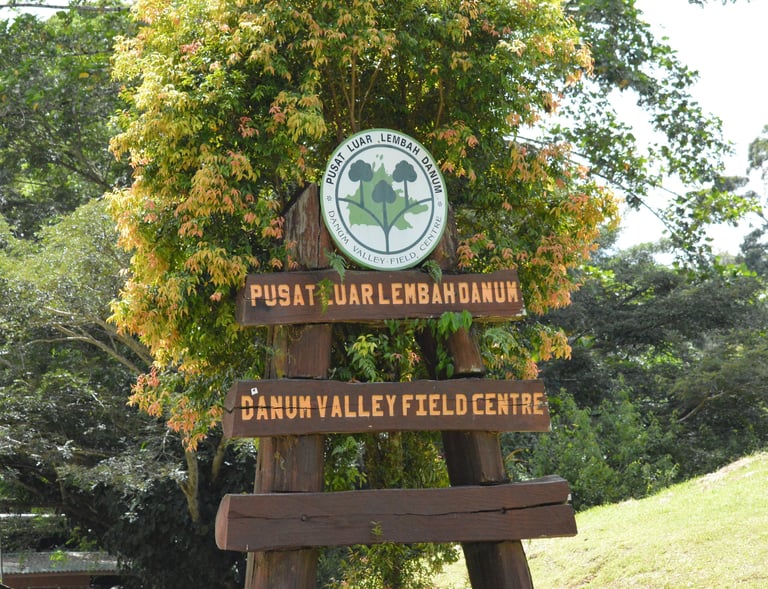
Danum Valley Field Centre (DVFC)
The Danum Valley Field Centre is the heart of the conservation area and the best location for travellers who want real wildlife experiences.
Why DVFC is special:
Surrounded by primary rainforest
Multiple jungle trails start directly from the centre
No fences — wildlife moves freely
Ideal for walking, tracking, and night walks
Accommodation is simple but comfortable, making it perfect for nature lovers, photographers, and serious wildlife enthusiasts.
Why Walking Around the Research Centre Is Best for Wildlife
Many people assume wildlife is best seen deep in the jungle. In Danum Valley, the opposite is often true.
Wildlife Loves Forest Edges and Clearings
Around the research centre you’ll find:
Open trails
Fruit trees
Salt licks
Streams and small clearings
These features naturally attract animals — especially during early morning and late afternoon.
Slow Walking = Better Sightings
Unlike safari vehicles, walking allows you to:
Hear movement before you see it
Observe animal behavior quietly
Notice birds, insects, and small mammals
Spend more time in one area
Guided walks near DVFC often produce more consistent sightings than long jungle treks.
Wildlife You Can See in Danum Valley
Danum Valley is home to an extraordinary range of wildlife — from iconic mammals to rare birds and insects.
Mammals
Commonly spotted species include:
Bornean orangutan
Red leaf monkey
Grey leaf monkey
Bearded pig
Sambar deer
Mousedeer
Bornean pygmy elephant
Clouded leopard (very rare)
Marbled cat
Sun bear
Birdlife
Danum Valley is a paradise for birdwatchers, with over 340 recorded species.
Highlights include:
Rhinoceros hornbill
Helmeted hornbill
Blue-headed pitta
Bornean bristlehead (rare)
Kingfishers and trogons
Early morning walks around the research centre are especially productive for birds.
Reptiles, Amphibians & Insects
Night walks reveal:
Tree frogs
Flying lizards
Pit vipers (from a safe distance)
Stick insects
Giant forest centipedes
Fireflies
Danum Valley’s insect diversity is among the highest in the world.
Best Time to Visit Danum Valley
Dry Season (March – October)
Easier walking conditions
Better photography light
Higher chance of wildlife activity on trails
Green Season (November – February)
Lush rainforest scenery
Fewer visitors
Excellent for frogs, insects, and birdlife
Occasional heavy rain
Wildlife is present year-round, but patience is key.
What Type of Traveler Is Danum Valley For?
Ideal For
Wildlife photographers
Nature lovers
Birdwatchers
Adventure travellers
Researchers and students
Not Ideal For
Party tourism
Shopping-focused travel
Luxury-only experiences without walking
Danum Valley rewards those who slow down and let the jungle reveal itself.
Final Thoughts – A True Borneo Jungle Experience
Danum Valley is not a zoo, theme park, or guaranteed wildlife show. It is real rainforest, raw and alive. The best experiences come from walking quietly around the research centre, listening to the forest, and allowing nature to move on its own terms.
For travelers who want to understand what Borneo truly was — and still is, Danum Valley remains one of the finest rainforest destinations in the world.
Research Center Gallery
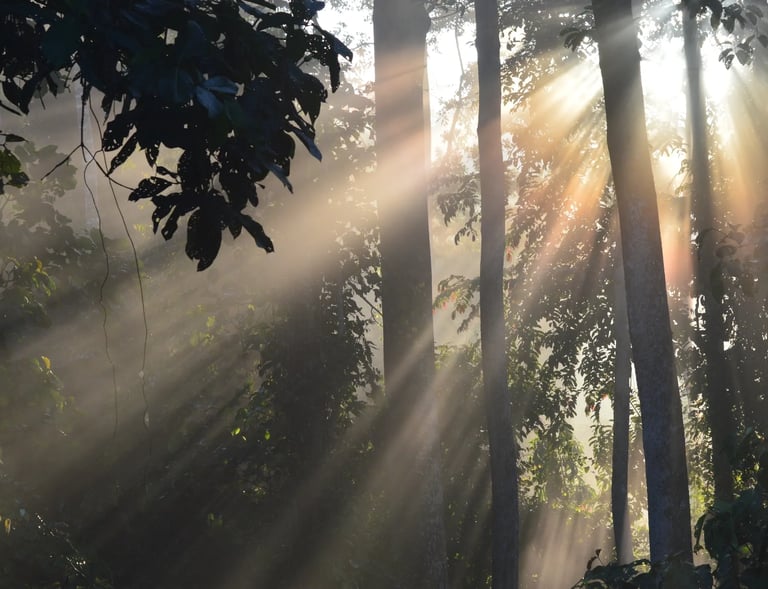
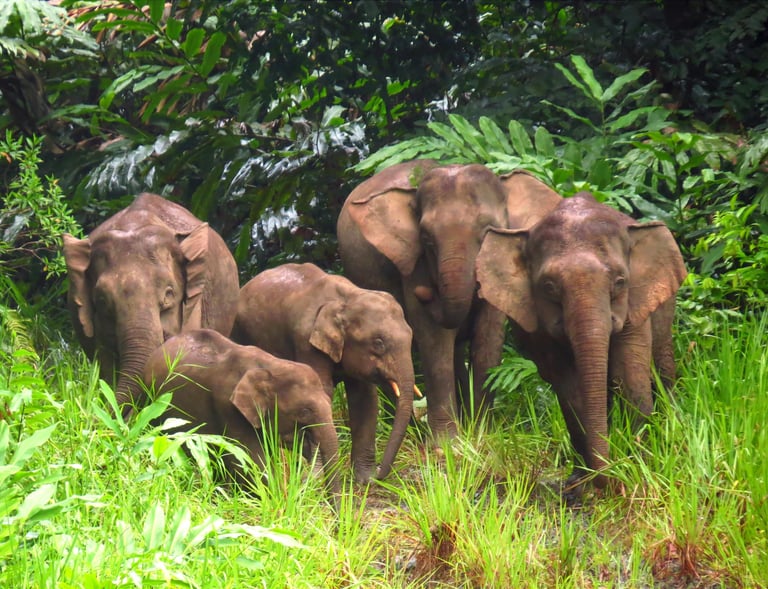
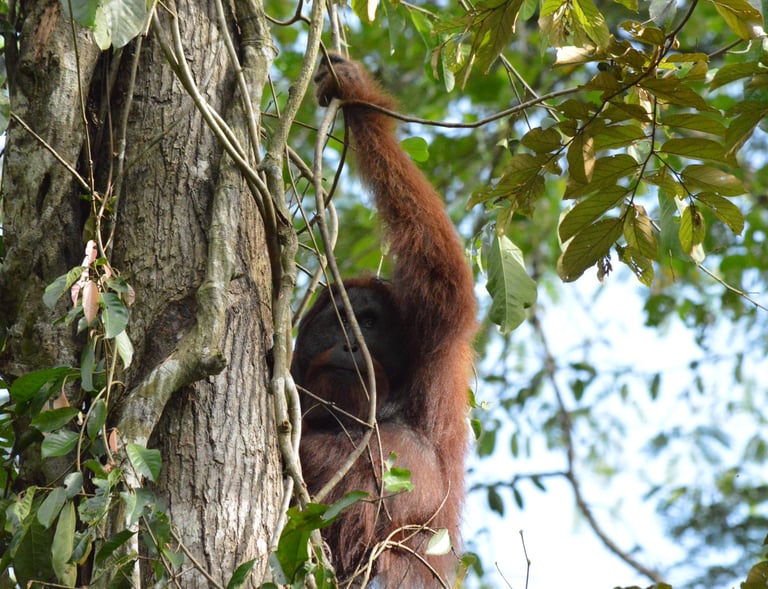
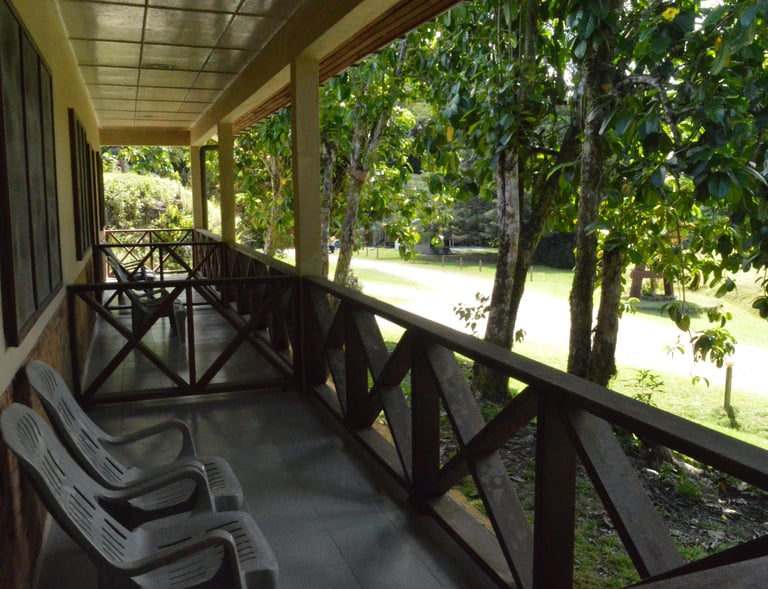
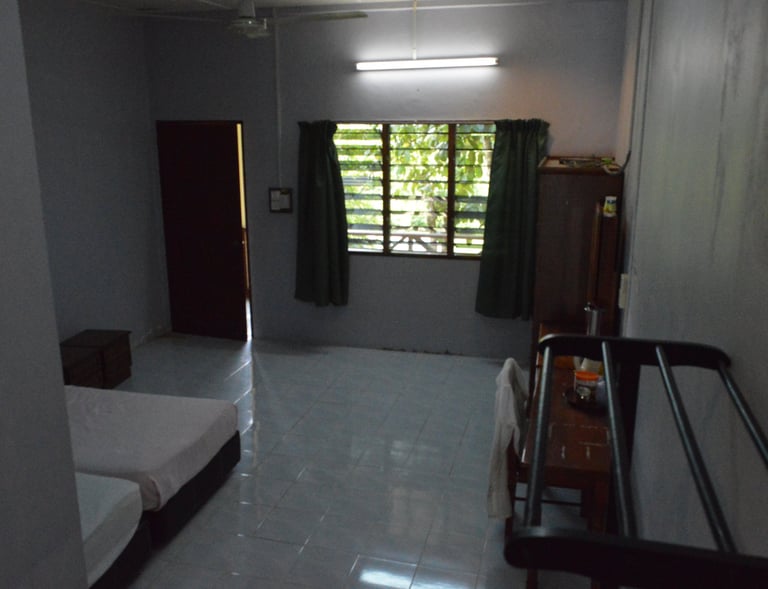
Moments from Danum Valley’s wild heart
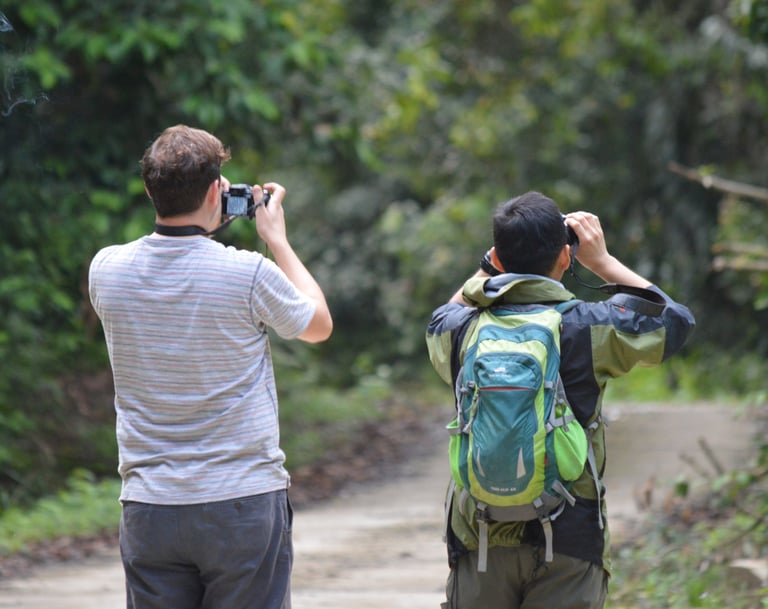
3D2N Danum Valley Wildlife Tour
Offering authentic Borneo rainforest adventure, research centre walks, experienced guides, and rare wildlife encounters.
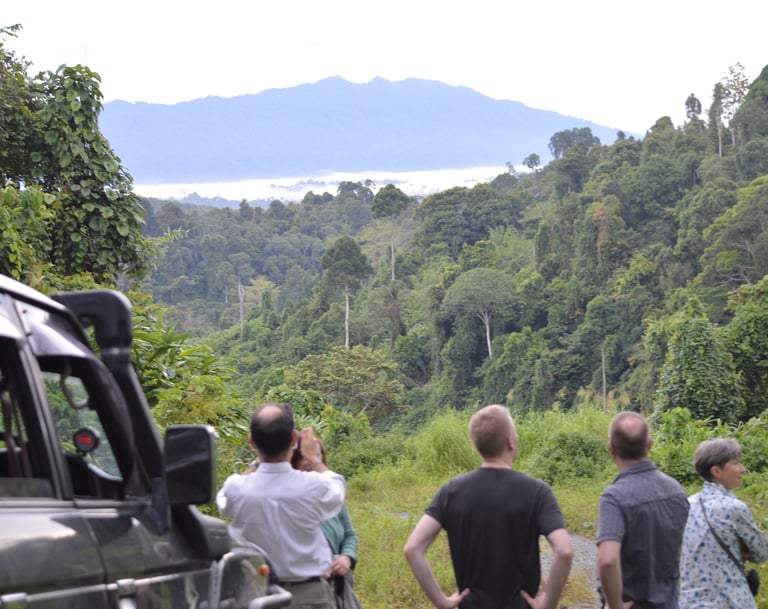
4D3N Danum Valley Wildlife Tour
Goes beyond rushing—more walks, more nights, deeper jungle time, and significantly higher wildlife encounter chances.
FAQs
When to visit?
The best time is March to October for wildlife sightings.
What wildlife to see?
Expect to see orangutans, hornbills, clouded leopards, and diverse bird species.
How to get there?
Danum Valley is accessible via a 4-hour drive from Lahad Datu, followed by guided tours into the forest.
Guided tours ensure safety and deeper wildlife insights.
Are accommodations available?
Is prior booking needed?
Yes, booking in advance is recommended due to limited lodge capacity.
Contact Us
Reach out to plan your Danum Valley adventure.