
Stories from the Heart of Borneo
Dive into tales of adventure, culture, and nature from Borneo’s hidden gems, shared by those who’ve experienced its magic firsthand.
Mr Rajiz
11/5/20254 min read
Whispers from Borneo’s Hidden Gems: Tales of Adventure, Culture, and Nature
Borneo does not announce itself loudly. It reveals, slowly and deliberately, to those willing to listen. Beyond the well-trodden itineraries and postcard-famous rainforests lies another Borneo—one shaped by memory, muscle, ritual, and rain. This is a land spoken of in stories shared over longboat rides, etched into the calloused hands of river guides, and remembered in the quiet awe of travelers who arrived curious and left changed.
This travelogue is told in the third person, but its voice belongs to many: explorers, villagers, conservationists, and wanderers who have felt Borneo’s pull firsthand. Together, their experiences form a mosaic of adventure, culture, and nature—glimpses into the island’s hidden gems.
Into the Green Unknown
The Long Road In
Reaching Borneo’s lesser-known corners is rarely straightforward. Roads dissolve into dirt tracks. Rivers replace highways. Travel becomes an act of intention.
For those who ventured inland, the journey itself became the first lesson. A four-hour drive might stretch into eight, punctuated by buffalo crossings and sudden downpours. Longboats skimmed along tea-colored rivers, their engines coughing and roaring in equal measure, while rainforest walls closed in on both sides. Mobile signals vanished. Time loosened its grip.
This was not inconvenience; it was initiation.
Where the Forest Breathes
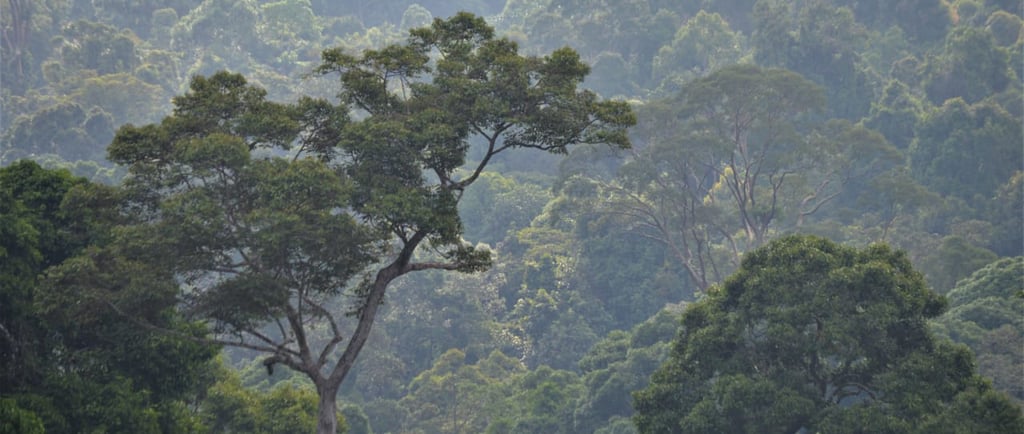
In these remote regions, the rainforest does not feel like scenery—it feels alive. Travelers described mornings where mist rose like breath from the canopy, and evenings where cicadas created a soundscape so dense it felt physical.
Some trekked into conservation areas unknown to most maps, guided by locals who read the forest the way others read weather apps. They spoke of trees older than cities, of vines used as medicine, of birds whose calls signaled rain hours before clouds appeared.
Here, nature was not curated. It was sovereign.
Rivers That Remember
Life Along the Waterways
Borneo’s rivers are more than geography; they are archives of movement and memory. Entire communities still live according to their rhythms.
Those who stayed in riverside villages woke to the sound of paddles against water and children laughing from wooden jetties. Fishing nets were cast before sunrise. Laundry was done communally, stories traded as easily as soap.
Visitors learned quickly that to understand Borneo, one must follow its rivers upstream.
Nights on the River
Some journeys extended into the night. Fireflies stitched constellations into mangrove branches. Reflections of stilt houses shimmered on black water. Guides shared quiet stories—of ancestors who migrated by river, of spirits believed to guard certain bends, of floods that reshaped villages and lives.
For travelers, these nights became indelible. The river carried not only boats, but belonging.
The People of the Interior
Longhouses and Living Traditions
Deep inland, longhouses still stand—architectural testaments to collective life. One roof, many families. One hearth, many histories.
Guests were welcomed not as spectators but as participants. Shoes were left at the entrance. Meals were shared cross-legged on woven mats. Conversations unfolded through gestures, smiles, and patient translation.
Elders spoke of headhunting days not with pride, but with context—explaining survival, identity, and the long arc of change. Young people balanced smartphones with ancestral dances, tradition with adaptation.
Rituals That Endure
Travelers who arrived at the right moment witnessed ceremonies rarely advertised. Harvest festivals marked gratitude rather than abundance. Gongs echoed through the forest. Rice wine was poured carefully, each gesture precise.
These rituals were not performances. They were continuities.
Many visitors left with the sense that culture here was not preserved—it was lived.
Footsteps Through Wild Places
Trekking Beyond the Trails
Adventure in Borneo rarely comes neatly packaged. Treks followed animal paths rather than signs. Leech socks became essential gear. Progress was measured not in distance, but in discovery.
Those who ventured into highland jungles spoke of river crossings chest-deep, of scrambling up clay slopes slick with rain, of sudden clearings where waterfalls thundered into jade pools.
Fatigue was constant. So was wonder.
Encounters with the Unscripted
Wildlife encounters were never guaranteed—and that was their power. A flash of orange fur high in the canopy. The slow, deliberate gaze of a proboscis monkey at dusk. The heavy wingbeat of a hornbill overhead.
Guides taught visitors how to look without disturbing, how to wait without expectation. Seeing became an act of respect.
Coastal Secrets and Island Edges
Beyond the Mainland
While much of Borneo’s mystique lies inland, its coastal fringes hold their own quiet magic. Travelers who strayed from popular beaches found fishing villages where tides dictated daily life and coral reefs still thrived in relative anonymity.
Small islands offered mornings of glassy seas and afternoons of sudden storms. Sea gypsies shared stories of navigation by stars and currents. Meals were pulled from the water hours before being eaten.
Here, simplicity was luxury.
Where Forest Meets Sea
In certain places, jungle pressed directly into the ocean. Mangroves tangled their roots into saltwater. Crocodile warnings were part of casual conversation.
Kayaking through these estuaries, travelers described a feeling of existing between worlds—fresh and salt, land and water, known and unknown.
Conservation, Seen from the Ground
Guardians of Fragile Futures
Many who journeyed through Borneo’s hidden regions encountered conservation not as theory, but as daily effort. Small NGOs operated from modest field stations. Rangers patrolled on foot. Rehabilitation centers cared for animals displaced by logging and development.
Visitors listened to hard truths: forests shrinking, species pressured, livelihoods in transition. Yet they also saw resilience—reforestation projects, community-led tourism, education programs rooted in pride rather than charity.
Hope here was quiet, but persistent.
Traveling with Responsibility
Those who experienced Borneo most deeply often spoke of a shift in perspective. Travel was no longer about consumption, but contribution—however small.
Choosing local guides. Staying longer. Listening more than photographing.
Borneo asked something of its visitors, and many were willing to give it.
What Remains After Leaving
The Lasting Imprint
When travelers eventually departed—back downriver, back onto roads and runways—they carried more than souvenirs. They carried altered rhythms, recalibrated expectations, a deeper patience.
Borneo lingered in muscle memory: the weight of humidity, the balance of a longboat, the cadence of forest nights.
A Story Still Unfolding
These tales are not definitive. Borneo is vast, complex, and unfinished. Its hidden gems shift with time, access, and care. What remains constant is its ability to transform those who meet it halfway.
In shared stories—spoken softly, written carefully—Borneo continues to reveal itself. Not as a destination conquered, but as a presence encountered.
And for those who have experienced its magic firsthand, the island never truly lets go.