
The colors of North Borneo
Dive into stories from local culture, and travel advice to make your adventure unforgettable.
Mr Rajiz
12/8/20254 min read
Whispers of North Borneo: Tales from the Land Below the Wind
Stories Etched in Rainforest and Tide
North Borneo, known today largely as Sabah, is a place where stories do not sit quietly on shelves. They breathe through the mist of Mount Kinabalu, murmur along riverbanks thick with mangroves, and echo in longhouses perched above the forest floor. To travel here is not merely to move across geography, but to step into a living archive of belief, culture, resilience, and quiet wonder.
This is a land shaped as much by myth as by history. Every village carries a memory. Every path has been walked before—by traders, hunters, migrants, and dreamers. What follows is a local third‑person travel chronicle: stories shared by those who have listened long enough, stayed long enough, and learned that North Borneo reveals itself slowly, on its own terms.
The Spirit of Place: Belief Systems Rooted in the Land
Animism, Ancestors, and Invisible Boundaries
Long before borders and maps, the people of North Borneo believed the land was alive—and watching. Among the Kadazan-Dusun, Murut, and other indigenous communities, animistic beliefs once shaped daily life. Rivers were not crossed carelessly. Forests were entered with respect. Mountains, especially Mount Kinabalu, were regarded as sacred resting places for ancestral spirits.
Even today, fragments of these beliefs remain, woven quietly into modern routines. Elders speak of rogon, spirits that inhabit certain places. Farmers still choose planting days carefully. Before entering deep forest, some locals pause—not out of fear, but courtesy.
To the visitor, these practices may seem symbolic. To locals, they are a reminder: humans are guests here.
Mount Kinabalu: Where Heaven Touches Earth
Rising abruptly from the lowlands, Mount Kinabalu dominates not just the skyline, but the spiritual imagination of North Borneo. Locals tell of spirits ascending its granite slopes, of ancestral souls resting among its clouds. Climbers arrive chasing sunrise views, yet many leave humbled by the mountain’s quiet authority.
Guides often remind trekkers to mind their words on the ascent. Loud boasts, careless jokes—these are discouraged. Not superstition, they say, but respect.
Culture in Motion: Traditions That Refuse to Fade
Longhouses and Communal Living
In the interior, longhouses remain powerful symbols of shared identity. These wooden structures are more than homes—they are social ecosystems. Multiple families live under one roof, sharing celebrations, grief, and survival.
Visitors invited into a longhouse are often struck by the warmth: rice wine poured generously, stories offered freely. Hospitality here is not transactional; it is inherited.
Music, Dance, and the Language of Memory
The steady beat of the sompoton, the rhythmic stamping of bamboo dances—these are not performances for tourists alone. They are expressions of continuity. During harvest festivals like Kaamatan, communities gather to honor the rice spirit, Bambarayon, giving thanks not just for food, but for balance.
Costumes shimmer with beadwork passed down generations. Each pattern carries meaning—status, origin, history. To wear them is to speak without words.
Socio‑Economic Realities: Beauty and Burden Side by Side
Between Tradition and Modernity
North Borneo’s charm often masks its challenges. Rural communities balance ancestral practices with modern economic demands. Palm oil plantations stretch across former forestland, providing income while threatening ecosystems and traditional livelihoods.
Young people leave villages for Kota Kinabalu or beyond, seeking education and opportunity. Yet many return, drawn back by family ties and a sense of responsibility to land and culture.
Tourism as Lifeline—and Risk
Tourism has become both blessing and burden. It brings jobs, infrastructure, and global attention. Homestays in villages provide supplemental income. River cruises employ local guides who know every bend and birdcall.
But unchecked tourism risks eroding the very culture it celebrates. Locals increasingly advocate for slow travel—visitors who stay longer, listen more, and tread lightly.
Journeys Through Landscape: Travel Tales from the Ground
Rivers That Remember
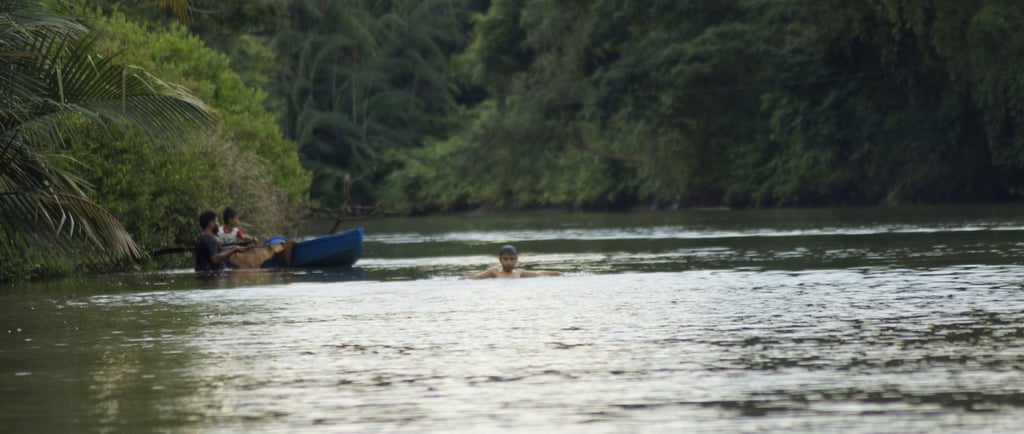
The Kinabatangan River winds like a living archive through eastern Sabah. Along its banks, travelers spot proboscis monkeys leaping at dusk, crocodiles sliding silently into water, hornbills beating heavy wings overhead.
Boatmen tell stories as they steer—of floods that reshaped villages, of wartime patrols, of spirits glimpsed in early morning fog. The river remembers, they say, even if people forget.
Roads Less Traveled: The Interior Trails
Beyond paved highways lie red‑earth roads leading into the Crocker Range and Pensiangan plains. Here, journeys are measured in hours, not kilometers. Landslides may delay arrival. Rain dictates pace.
Those who venture inward often find something rare: time slowing down. Evenings end early. Conversations deepen. The forest hums steadily, indifferent to schedules.
Practical Travel Wisdom from Locals
When to Go
Dry Season: March to September offers better road access and trekking conditions.
Festival Season: May (Kaamatan) and June (Gawai) provide cultural immersion.
How to Travel Responsibly
Hire local guides whenever possible.
Dress modestly in villages.
Ask before photographing people or ceremonies.
Learn a few local phrases—it opens doors.
Where to Stay
Homestays: Best for cultural insight.
Eco‑lodges: Ideal for nature travelers.
Urban Guesthouses: Comfortable bases for exploration.
Voices from the Land: Stories Shared Quietly
One former logger speaks of forests so dense sunlight barely touched the ground. A village elder recalls headhunting days not with pride, but context—explaining survival, not savagery. A young guide describes seeing orangutans for the first time near his childhood home, a sign that conservation can work.
These are not dramatic tales meant for headlines. They are fragments of lived experience, offered over coffee, on boat decks, beneath starlit skies.
Why North Borneo Lingers
North Borneo does not demand admiration. It invites understanding. Those who rush through may see scenery. Those who stay longer begin to hear stories beneath the surface—of belief shaped by landscape, of culture carried through hardship, of people negotiating the space between past and future.
This is the quiet magic shared by those who have experienced it firsthand. It does not end when the journey does. It follows you home, like a story still unfolding.
Final Reflections: Traveling with Intention
To travel in North Borneo is to participate, briefly, in a much longer narrative. The land has endured colonization, conflict, development, and change—yet its stories persist.
Visitors who come with curiosity rather than consumption often leave transformed. They learn that adventure is not always adrenaline, that culture is not a performance, and that belief can be embedded in soil, water, and silence.
North Borneo waits patiently. It always has.